

It can be tempting to let daily routines fall by the wayside during school breaks when there’s no bus to catch or morning bell dictating a student’s schedule. But lax attitudes about regular sleep can have a negative impact on students’ health.
“Kids who are not well rested have a lot more difficulty handling difficult emotions,” said Dr. Anne Mason in an SPS interview. Mason is the acting dean of Washington State University College of Nursing and a psychiatric mental health nurse practitioner with a focus on depression care and adolescent mental health.
“Everybody experiences anxiety or sadness, even anger,” she noted. “But when you're sleep deprived and you're experiencing those difficult emotions, you struggle mightily to handle them.”
Benefits of good sleep
Along with improved emotional regulation responses, Mason says students who get enough sleep have improved learning outcomes.
“Good sleep means that students are ready to learn and they can come into the school setting alert,” she said. “They're more prepared, their thoughts are more organized. They’re not distracted by the sluggishness that’s underlying when they’re sleep deprived.”
But just because students don’t have school on the weekends or during extended school breaks, that doesn’t mean we can ignore sleep routines and “catch up” on sleep in a day or two.
Staying up late and/or sleeping in disrupts our natural rhythm
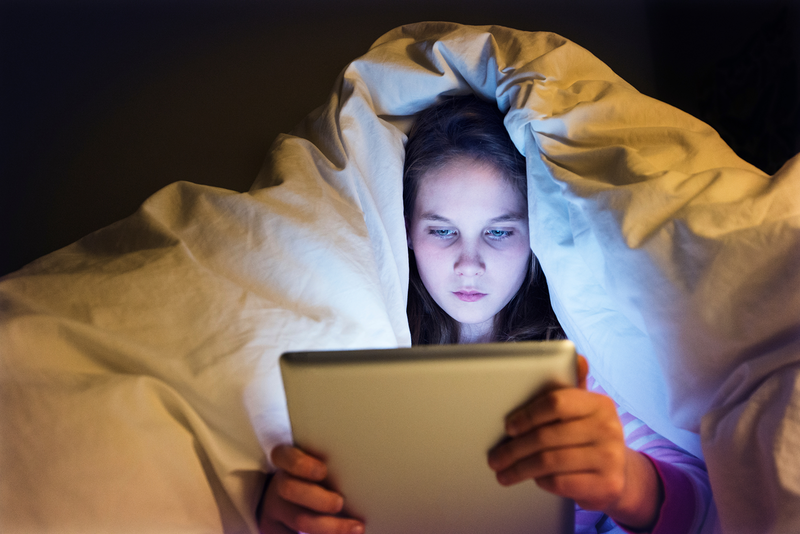 Inconsistent sleep routines can confuse our body, making it harder to wake up at the appropriate time to begin the day.
“Setting up a routine with a consistent bedtime and a consistent wake time is helpful, which most adolescents don’t love to hear because it means sleeping in on the weekends is not the best idea,” Mason said.
Our circadian rhythm – the natural times when we feel sleepy and when we feel like we're waking up – doesn’t adjust just because we stayed up late to finish a movie or slept in because we didn’t have school in the morning.
“Once everything is out of whack, it's hard to get back into a regular routine. We don't do it in two days,” Mason said.
Changing behavior takes time
Mason said it can take 3-4 weeks for a behavior change, like keeping a regular bedtime and sleep routine, to become habit.
“We're in for the marathon and not the sprint in this situation,” she said.
Instead of regressing into poor sleep habits over Winter Break, try a few strategies to transform your family’s sleep routine – that includes grown-ups – starting now so you can continue to maintain and improve habits by the time school is back in session.
Stay active during the day
 “Our bodies need movement. Being able to spend time during the day outdoors, stretching and exercising our body, really using it and wearing it down, will definitely have a positive impact when we get into bed at night,” Mason said.
That’s part of the reason why getting kids to Engage IRL has been such a big focus for SPS. We know that kids who are active, physically and mentally, are better learners with improved attendance, academics, and behavior.
Set a goal of having 30-minutes of active, outside time every day during winter break. If the weather outside is frightful, you can break up the outside time into two 15-minute sessions, just like morning and afternoon recess. Even if it’s a walk to your school playground or neighborhood park and back home, that’s a great way to get outside and get moving.
Plan backwards
Whatever time students need to be up and ready on a typical school-day morning, plan ahead so they’re tucked into bed in time to get the recommended sleep for their age.
Sleep Recommendations by Ages (per 24 hours) from American Academy of Sleep Medicine and Sleep Research Society | |
Preschoolers (3-5 years) | 10-13 hours (including naps) |
School-age (6-13 years) | 9-12 hours |
Teenagers (14-18 years) | 8-10 hours |
Adults | 7-9 hours |
Keep this schedule throughout Winter Break. If you find yourself struggling to follow the recommendations, try starting bedtime routines 10-15 minutes earlier until everyone is settled at the appropriate time.
Focus on calming activities before bedtime
 “Around 6 or 7 p.m., we start to see changes in the amount of melatonin that we're releasing in the brain. That's what's setting us up for sleep,” explained Dr. Mason. “During that time, help children establish what to do through the evening that supports that calming experience, that relaxation, and then getting into that bedtime routine.”
She recommends reading – as long as books are relaxing or funny, not overstimulating or bringing up negative emotions – for young children and journaling for adolescents and adults.
“Journaling can be very helpful if we’re trying to get out of our head all the things that we thought about, learned about are worried about,” she noted. “Just jotting those things down is a way of separating them from our thoughts and putting them to bed for the night as well.”
Keep bedrooms comfortable, quiet and cool
While books and diaries are allowed in bedrooms, Dr. Mason says they aren’t the place for gaming, television, or other devices with screens. Instead, think of bedrooms as a dedicated space for rest and relaxation.
 “It should be a place where we feel relaxed and welcome. If we anticipate good sleep in that environment, we are more likely to sleep well in that environment.”
Model positive sleep behavior
As students are encouraged to get a good night’s sleep, recognize that the adults around them can also incorporate these healthy habits and routines.
“I think parents are the best individuals to represent a change in behavior,” Mason said, encouraging parents to recognize if there are issues contributing to their own negative sleep cycles.
“If we're trying to establish a healthier pattern for ourselves, talking about it and being open about it really helps our kids to see that we're willing to try hard things and make changes, and we can walk that path with them.”