
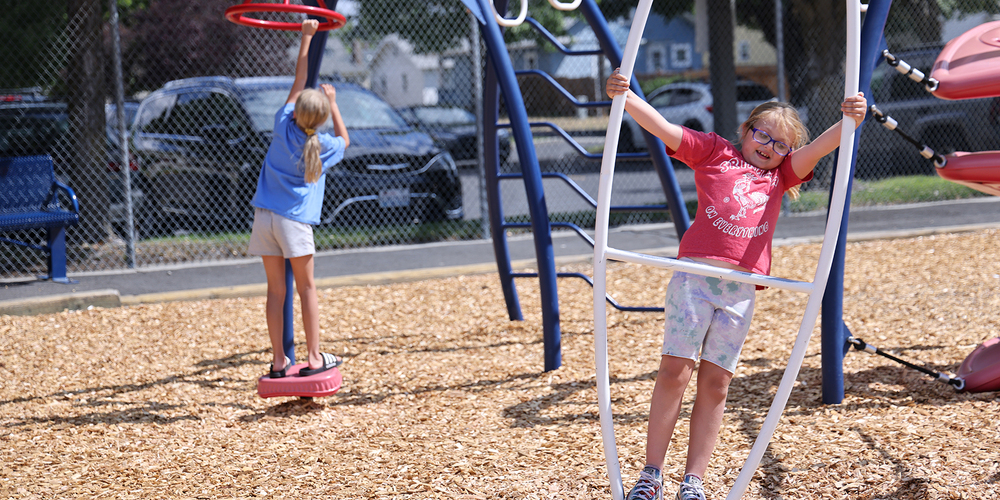
Reminders from local organizations for a safe summer
As students, staff, and families enjoy a break from school, take a few moments to review ways that everyone in our community can stay safe and healthy while enjoying all that summer offers in Spokane.
Thanks to our partners at Spokane Parks and Recreation, Spokane Police Department, Spokane Fire Department, and Spokane Regional Health District for sharing resources and support to keep our community safe.
Wheels and Walkers
A growing concern across Spokane is the use of electric bikes, gas-powered bikes, motorized scooters, and other “e-ride” devices by children and teens.
While these vehicles can be fun and convenient, they come with real safety risks. Before your child uses a motorized or e-vehicle, please talk together about where they’re allowed to ride, when to yield to vehicles and pedestrians, and why helmets and safe speeds matter.
Please access Washington’s e-mobility laws and device-specific guidance through the Washington Traffic Safety Commission’s E-Ride Guide. A new Washington State law that differentiates between different types of e-bikes and motorcycles also took effect June 11.
A few other safety reminders when you’re out and about:
Drivers: With students out of class, please remember to slow down, stay alert, and put phones away, especially near parks, playgrounds, neighborhoods, crosswalks, and other areas where children may be walking, biking, or playing.
Pedestrians: Use marked crosswalks, make eye contact with drivers before crossing, and stay aware of their surroundings (look up, not at your phone). Children should walk with a friend when possible, stick to familiar routes, and play in areas where trusted adults are nearby and supervision is active.
Riders: Wear a properly fitted helmet when riding a bike, skateboard or other vehicle, motorized or not, and follow the road rules by stopping at stop signs, riding with the flow of traffic and signaling to other vehicles.
In City Parks: All visitors should operate wheels in a manner which does not endanger people or property, and follows Park Rules.
Water Safety
If you're planning to spend time at a local lake, river or a swimming pool, remember to keep these water safety tips in mind for kids and adults:
Buddy Up: Always swim with other people. Designate a buddy to swim with before you enter the water.
Suit Up: Always wear U.S. Coast Guard approved life jackets on boats.
Know Your Limits: Only swim as far as you can safely get back. Don’t hold your breath for longer than you can. Stay close to shore or the pool edge, and rest if you are cold or tired.
Know the Water: Don’t enter cold water or very fast-moving water. Always jump feet first into unknown water. Be aware that rivers move faster than they appear.
Keep an Eye Out: Actively supervise young children and inexperienced swimmers. Stay within arm’s reach to help and avoid distractions.
Throw, Don’t Go: Learn safe ways of rescuing others without putting yourself in danger. Reach out to someone in trouble in the water while holding on to something stable. If you can’t reach them, throw them something that floats.
Healthy Habits
As you enjoy wonderful community events in our city and region this summer, remember the following so you can stay safe and healthy without missing a moment of the fun and action:
Sun Protection: Wear sunscreen, protective clothing, hats and sunglasses when outside, and avoid too much direct sunlight for too long, especially during peak intensity hours from 10 a.m. to 4 p.m.
Avoid Sharing: Prevent spreading germs by not sharing food, drinks, utensils, straws, or water bottles with others.
Isolate: If you have a fever, cough, are vomiting, or generally feel unwell, stay home. When in public, cover coughs and sneezes with a tissue or your elbow.
Wash Your Hands: Use plenty of soap and water to keep your hands clean, especially after using the restroom, before eating food, and during travel.
Food Safety: Keep perishable foods cold during picnics, tailgates, or outdoor gatherings.
In a Crowd: If you’re at an event with a lot of people and feel like you’re trapped, stay on your feet and move with the flow of the crowd. Avoid being pushed against walls or fences. If you drop something, do not bend down to pick it up.
Look Out for Each Other: Look out for friends and loved ones who may be more vulnerable to heat, poor air quality due to wildfire smoke or illness, including young children and older adults.
Stay Hydrated: Drink plenty of water, especially during hot outdoor events or during physical activity.
Wildfire Smoke and Extreme Heat
The best way to safeguard yourself and those you care about from the effects of wildfire smoke (poor air quality) and extreme heat is to prepare. Review Smoke Ready Spokane to make sure you’re prepared for
Clear, Cool Air: Create a space in your home or know where you can go to give your body a break, such as public clean air and cooling centers or the home of a friend or family member not impacted by smoke or heat.
Air Quality: When planning outdoor activities, check
Spokane Regional Clean Air Agency to determine if you should reschedule events or move inside.
Know Who’s at Risk: Wildfire smoke will more severely impact individuals in sensitive groups, like children under 18, adults over age 65, people with chronic illness or lung/heart disease, and pregnant people. Check on your friends and neighbors to make sure they are all right during times of poor air quality.
Fire Prevention
Speaking of wildfires, there are several ways community members can be Fire Smart to reduce the risk of fires and promote fire safety.
Fireworks are Illegal: The sale and use of all amateur fireworks are illegal in Spokane and
surrounding areas of Spokane County. Not only can fireworks cause injuries, but they increase the risk of fire danger, especially during dry, summer months.
Outdoor Burning: Familiarize yourself with Outdoor Burning rules to make sure you know if your backyard fire pit (no) or gas grill (yes) are allowed when a Burn Restriction is in effect.
Fire Safety: Make sure your smoke detectors are in good working order year-round, and keep a functioning fire extinguisher nearby, especially in cooking areas.
Healthcare Plans and Immunizations
Now is the time to schedule an appointment with your child’s healthcare provider so you can ensure that they are prepared for the next school year.
CHAS Health School Based Health Clinics (SBHC) at Rogers, Ferris, North Central and Shadle Park, as well as the Logan Family Clinic with WSU Health, are open for health care services during the summer.
Students with healthcare plans and/or medication needed during the school year must to be updated and on file before the first day of school on Aug. 26, 2026. Visit Health Care Provider Orders and Forms to find necessary forms.
State law requires that all students in Spokane Public Schools provide proof of immunization or a documented certification of exemption before attending school. A Certificate of Immunization Status or a Certificate of Exemption completed by a healthcare practitioner should be turned into your school office at least 10 calendar days before the start of school. The Washington State Department of Health (DOH) offers several resources to help access Family Immunization Information.
Check the Washington Department of Health Required Immunization Schedule to see what immunizations students may need prior to the start of the new school year, and review Immunization Information & Compliance for more information.