WABS volunteers connect kids to careers
This fall, six SPS elementary schools are holding STEM4Good Clubs after school through the district’s partnership with Washington Alliance for Better Schools (WABS), a nonprofit organization dedicated to ensuring students can pursue a future that embraces their strengths, passions, and dreams.
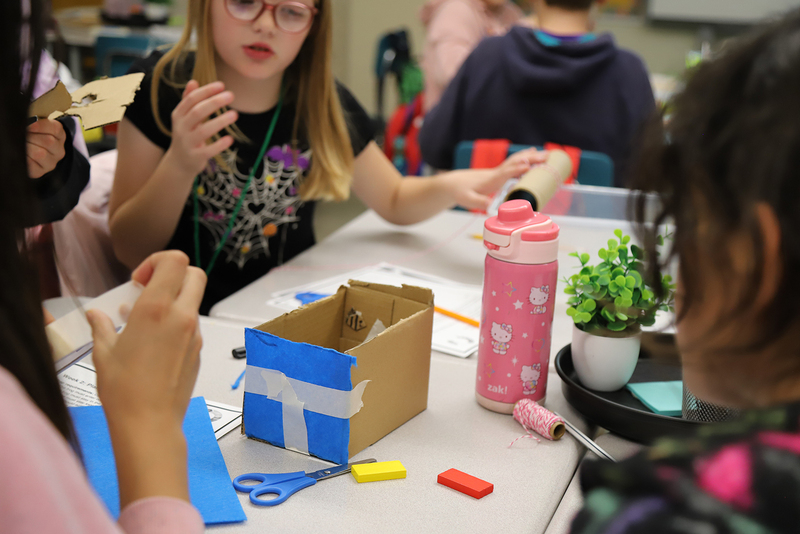
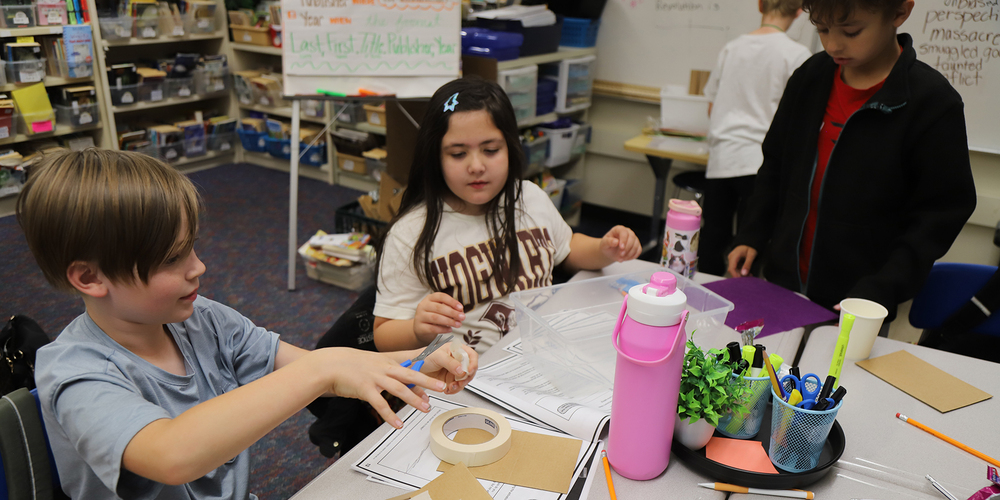
Three times a year, clubs follow a four-week STEM-based curriculum provided by WABS to introduce kids to careers in science, technology, engineering and math through playful, real-world problem solving.
While Balboa Elementary School fifth grade teacher Shari Healy is leading the school’s 3-5 grade club this fall, many STEM4Good Clubs are facilitated by volunteers who are enthusiastic about introducing science and engineering opportunities to students.
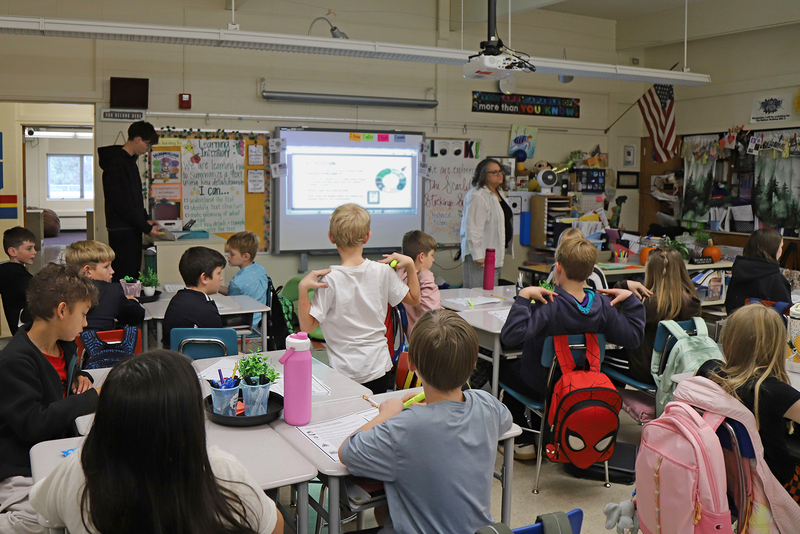 “You don’t have to be an engineer or a teacher,” Genevieve Meyer, WABS director of work-based learning programs, said when visiting Balboa’s club for their second meeting this week. WABS provides the curriculum, training, lessons plans, and scripts to support volunteer facilitators.
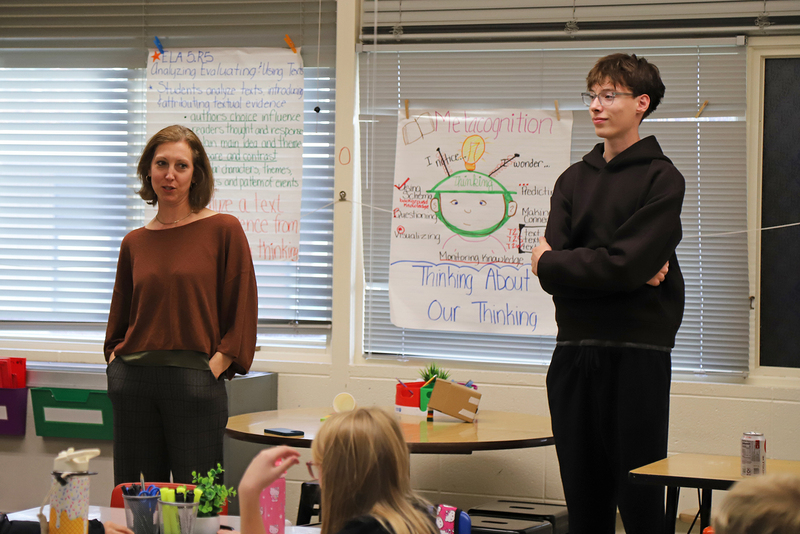
Also present to help was Jackson, a Mt. Spokane High School student and WABS volunteer.
“I’m a science student, just like you,” he shared, adding that he is also in Running Start and attends community college classes while still in high school, introducing the elementary students to a potential future learning opportunity.
 STEM4Good’s fall session is “Habitat Heroes,” which follows two characters exploring engineering design and the differences between native and invasive species.
“They’re learning about the American bullfrog as an invasive species in Washington, then they’ll try to engineer a trap to catch it,” Genevieve explained while students watched a video about the hunting habits of Lithobates catesbeianus and how its appetite for just about anything – scorpions, birds, even other frogs – can damage an ecosystem.
Students worked in groups of four to brainstorm designs for their traps, then gathered materials to begin building. They’ll follow the engineering design process to continue testing their designs to create an effective trap in future meetings.
“We’re hoping they that gain those essential 21st century leadership skills, like critical thinking, creativity, communication and collaboration,” Genevieve said. “And it’s always connected to a civic minded problem that they are trying to solve, which is the ‘for good’ part.”
Volunteers Needed
With more volunteers, WABS can offer more STEM4Good Clubs at more schools. If you’d like to learn about volunteering for a future session, check out STEM4Good Volunteer Registration.