
Community Engagement Boards, or CEBs, are designed to bring schools, courts, families and community partners together in addressing barriers to school attendance as part of Washington’s truancy process.
They’re a way to connect students and families with services and supports, while ensuring family voices are heard in an inclusive, culturally responsive setting.
Spokane Public Schools (SPS) has recently piloted a new approach intended to make a required meeting feel more like an invitation than a mandate. Rather than scheduling CEB meetings during the school day, when families may need to miss work or need childcare, the district is testing an evening “family night” model.
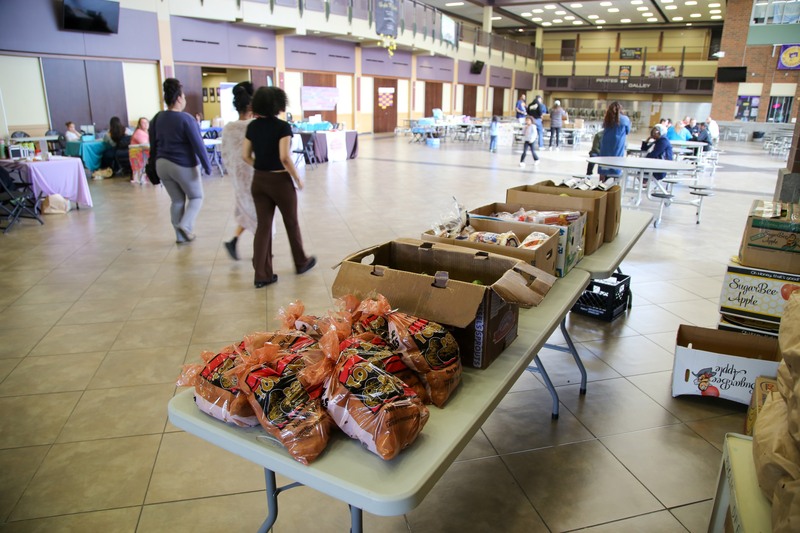 The pilot began in the Northeast feeder pattern this February with Rogers High School, Garry Middle School and Regal Elementary. Last week, families from eight schools were invited to Rogers for their scheduled 30-minute CEB meeting. While there, they could grab dinner and engage with community resource partners while their children took part in kids’ activities and an open gym.
Anne Abbott is a Restorative Practices and Beloved Community Manager in the SPS Department of Family and Community Engagement. She describes this as a way of emphasizing relationship-centered engagement that connects families with resources to meet real-life needs.
“We’re creating spaces where every single human is safe, seen and heard, is treated with respect and dignity, and feels belonging,” she said.
The shift in tone is noticed.
Regal Elementary counselor Tony Debari shared the story of one family that had experienced ongoing challenges with engagement and consistent attendance. He said they arrived at the school’s CEB night with a “here we go again” hesitation to engage. But this time, the meeting looked and felt different. The family was greeted with a warm meal and friendly faces at a time that allowed the parent to attend without missing work.
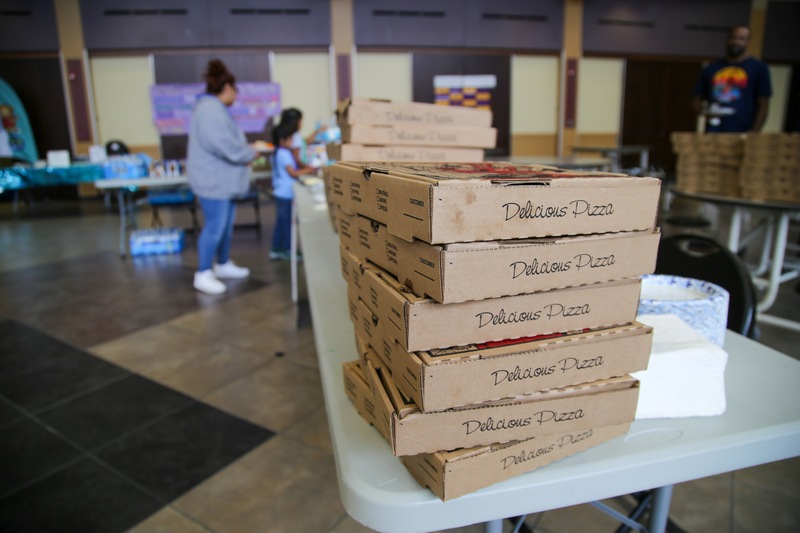
“What began with lighthearted moments - laughing together about the kids’ pizza choices - opened the door to more meaningful dialogue,” Tony said. “By the end of the evening, we not only shared a meal, but also developed a collective understanding of how we could work together to improve attendance.”
 Since then, Tony said the students have missed only two days of class, their mom has communicated proactively with the school, and the family even returned for Family Art Night, “a sign that they were experiencing Regal differently.”
Kris Herda, assistant principal at Rogers, said the change has made CEB meetings more accessible and effective.
“Scheduling CEB meetings during the school day is challenging and our success rate was low,” he said. “Now we can invite them into a welcoming environment with food, resources, and a welcoming team of staff.”
This pilot doesn’t replace the formal requirements of the truancy process. But it does reframe the experience around care, belonging and partnership, reminding families that the goal includes connection, rather than simple compliance.